
Everything you can learn about a DTC brand without an NDA.
Analyst-grade, outside-in reports on any DTC brand — digitally native brands and the DTC arms of household names alike. Every claim cited. Every estimate called an estimate.
The Venona Project is in private beta. Access is by request.
Any DTC brand, at any scale.
A two-person stealth startup nobody has written a word about. The DTC arm of a household name that doesn’t break out DTC sales in its earnings. Everything in between. Same report, same depth, scoped to the DTC business and nothing else.

One brand, one report.
A complete, sourced picture of one brand’s DTC business — who they are, what they sell and where, how they find customers, and what those customers say.
- Overviewthe brand, what it sells, who buys it, and where the DTC business sits alongside everything else the company does.
- Positioning and claimshow the brand presents itself, and how consistently it does so across its site, advertising, and press.
- Catalog and pricingassortment, price architecture, concentration in hero products, and the frequency and depth of promotions.
- Customer acquisitionpaid social, search, creator, and affiliate activity; how long current campaigns have been running; and the balance between paid and organic growth.
- Owned channelsemail and SMS cadence, offer strategy, loyalty, and subscription programs.
- Site and technologyplatform, applications, checkout, shipping and returns policies, and recent changes.
- Customer sentimenton-site reviews compared with off-site reviews and community discussion.
- Distribution beyond DTCretail and marketplace presence, and whether pricing holds across channels.
- The companyownership, funding, and the public record.
- Operator assessmentwhere the evidence departs from the brand’s own account, and the questions a DTC operator would put to management first.
- Sourcesa footnote for every claim.
What everyone knows about a brand, and what the record shows.
Some of these a brand says about itself. Some the market assumes. Some come from reviews and word of mouth. Information goes stale, and a brand is not always the first to know. A report checks each one against the evidence.

- Rarely discounts.The flagship set was discounted twice in twelve weeks, the entry range nine times.
- Generous returns.The returns window dropped from sixty days to thirty in March, and sale items are excluded.
- Sold direct only.Two retailers sell a cheaper line under the same name, about thirty percent below the brand's price.
- Quiet since the last raise.The last funding round was in 2021, but headcount has grown in every quarter since.
- Grown by word of mouth.Search and direct visits lead the traffic, but paid social has run continuously since 2023.
- 4.6 ★ · Customers love the product.Its own reviews average 4.6. Off-site reviews average 3.1, usually about the zip failing.
Comparison reports cover two brands side by side, or every key player in a category, at the same depth for each.
Ad-hoc research is also available: one channel across a whole category, or one line of inquiry into a single brand, such as how it runs its subscription program.
Research scope.
Every report starts with the data sources DTC operators know but rarely have all at once: site traffic and its sources, paid and organic search, advertising across every major platform, email and SMS programs, catalog and pricing history, on-site and off-site reviews, the technology stack, and social presence. Pulling all of this on one brand normally takes a half-dozen subscriptions and a few favors, before anyone has read a line of it.
We then go well past the standard sources, into records that are rarely read together: press coverage and founder interviews, physical locations, trademarks and patents, lawsuits and regulatory filings, job postings and team changes, retail and marketplace distribution and whether pricing holds across it, podcasts, employee reviews, and community discussion on Reddit and elsewhere. Most of these are minor on their own. Read together, they often produce the most useful findings in the report.

Methodology.
Research at this depth on a single brand is only practical with AI, and AI used carelessly fills gaps with plausible guesses, trusts the first source it finds, and states estimates with more confidence than they deserve. Our process is built around those failure modes. The systems that gather evidence are separate from the one that writes the report, and the writer can only use what has been gathered and recorded. It can ask for more research. It cannot add anything of its own. Before a report is released, a separate review checks the draft against the evidence, line by line.
Every claim in the report is footnoted. Every figure is labeled observed, estimated, or inferred. Where two data providers disagree, we show both numbers. Anything in the report can be traced back to where it came from.
The report’s structure, the questions asked at each stage, and the bar for final review were set by DTC operators, not data scientists, and no report goes out until one of them has read it and signed off. The method follows the outside-in diligence approach McKinsey described in From potential to performance: using gen AI to conduct outside-in diligence, adapted for DTC.
Use cases.
Investors use them ahead of a letter of intent. Operators use them before a competitive move, a category entry, or a board presentation. Agencies use them to prepare a pitch. In every case the need is the same: a defensible understanding of a brand before a meeting where that understanding will be tested.
Reports are written for investors and operators alike. Operational detail is included wherever it matters to the assessment, and nothing is written over the reader’s head.
Every report is built from public evidence only: what can be seen today, and the history the data providers were already recording. It is a written document, not a dashboard, and it does not forecast revenue or margins.
has not moved a list price in two years,1 but bundles now account for about a third of orders, which has pulled the average selling price down eleven percent.2 Email goes out once a week outside November,3 and nine of the last twelve hires4 sit in performance marketing.
- 1 Observed. Price capture, twenty-four months.
- 2 Estimated. Order-mix model from on-site signals.
- 3 Observed. Subscribed inbox, twelve months.
- 4 Observed. Job postings and public profiles.
About the name.
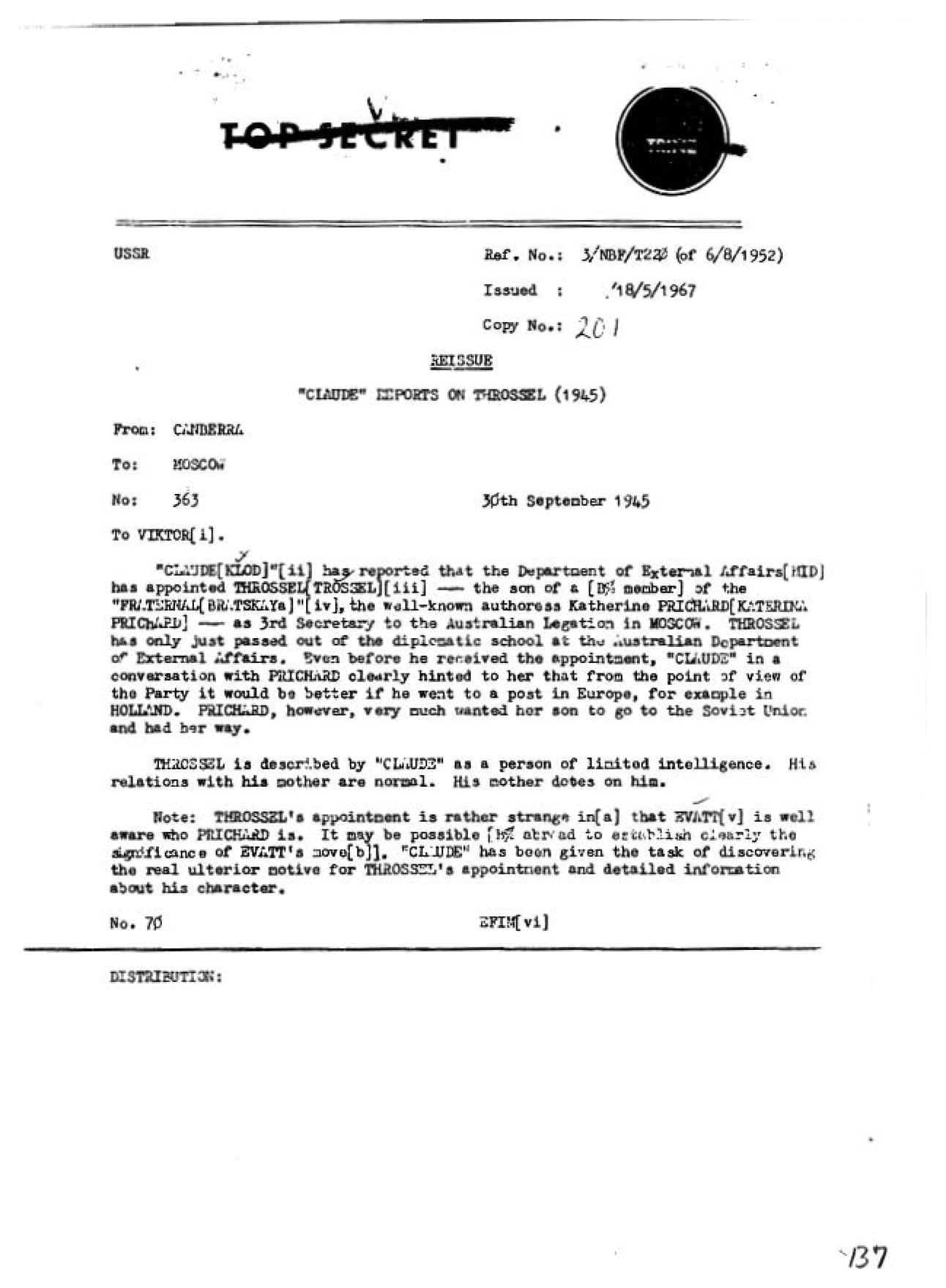
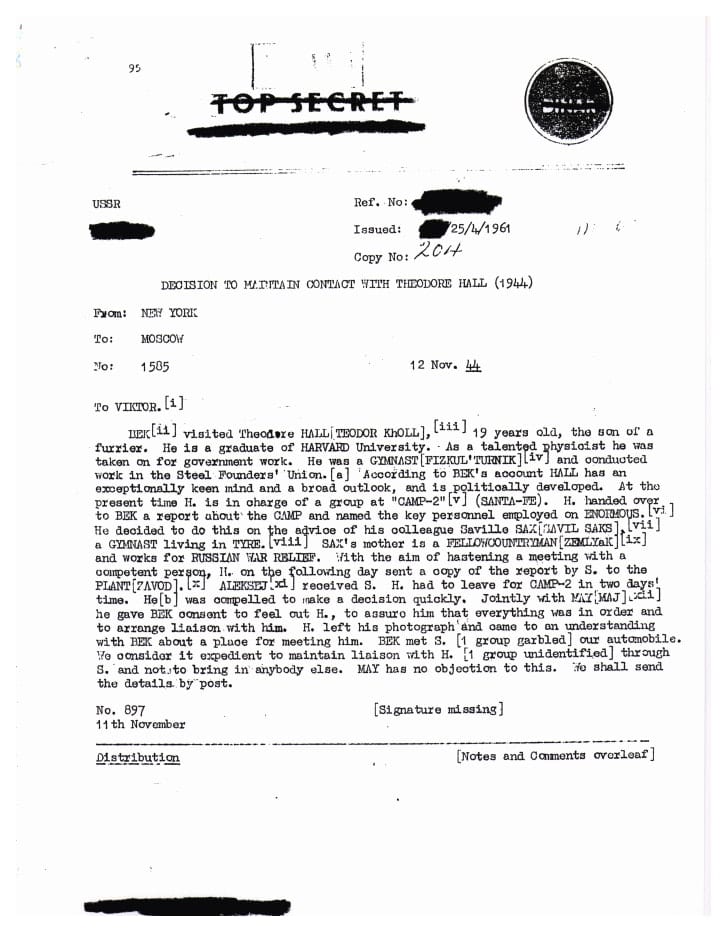
Venona was a US counterintelligence program that ran for nearly forty years and, working from fragments, reconstructed a picture its subjects believed was entirely private — mostly by patient cross-referencing against what could be seen elsewhere. The stakes here are lower, but the method is the same: no single source tells the story, and the story is there for anyone willing to assemble it.
This one is run by DTC operators. Not data aggregators, and not spies.
Request access.
We’re working with a small number of firms during the beta. Tell us who you are and what you’d use the reports for, and we’ll be in touch.
Prefer email? hello@venonaproject.com